


In the News
Exclusive: New bill cracks down on AI agents after Hugging Face breach
Sam Sabin ,
September 3, 2026
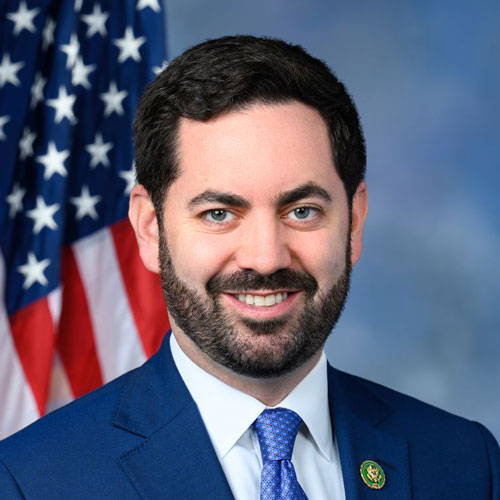
Reps. Josh Gottheimer (D-N.J.) and Mike Lawler (R-N.Y.) are introducing a new bill Thursday, first shared with Axios, aimed at securing AI agents amid a growing number of safety incidentsinvolving rogue agents. Why it matters: Washington has been slow to respond to the safety and security concerns raised by OpenAI's Hugging Face hack and other testing incidents involving agents that took unauthorized actions over the last two months. Driving the news: The Stop Rogue AI Act directs Commerce's National Institute of Standards and Technology to develop and publish standards, guidelines and best practices for how organizations can securely deploy AI agents.
Between the lines: Gottheimer told Axios in a statement that the bill is designed to help companies identify agents running on their networks and "know exactly who's behind them." The intrigue: While the standards are voluntary for most organizations, the bill would push for federal contractors bidding for new deals to meet the NIST standards. The big picture: Gottheimer and Lawler's bill joins a growing number of legislative attempts on Capitol Hill to bring transparency and security to AI agents' actions.
What they're saying: "Right now, AI agents are running loose in our networks, and nobody can see them or verify who built them — making it increasingly hard to stop them," Gottheimer told Axios. "That's a five-alarm security risk." Reality check: Washington has struggled to keep up with the security advancements — and subsequent concerns — of AI models and agents, and other AI bills haven't gained much traction in Congress this session.
Yes, but: Gottheimer and Lawler's bill has the support of several U.S. companies and industry trade groups, including Palo Alto Networks, GoDaddy, Infoblox, the AI Policy Network and the Alliance for Secure AI. Go deeper: AI's agent containment problem is getting harder https://www.axios.com/2026/09/03/house-bill-ai-agents-security |